

The rapid evolution of social media platforms has transformed the "link in bio" from a simple navigational tool into a sophisticated digital storefront and fan engagement hub, with music marketing expert Jesse Cannon identifying Koji as the leading solution for modern artists. As independent musicians, producers, and instrumentalists navigate an increasingly fragmented digital landscape, the ability to centralize brand identity while facilitating direct-to-fan transactions has become a cornerstone of sustainable career growth. This shift reflects a broader trend in the creator economy, where the emphasis has moved from mere visibility to the conversion of passive followers into active, paying supporters. Through a technical analysis of Koji’s infrastructure and its strategic application by industry veterans like Cannon, it becomes evident that the platform’s modular "mini-app" architecture represents a significant advancement over traditional static link aggregators.
The Evolution of the Digital Identity Hub in the Creator Economy
To understand the significance of Koji in the current music industry, one must look at the historical trajectory of online artist representation. In the early 2000s, platforms like MySpace provided a centralized location for music, photos, and fan interaction. As the internet matured, the industry shifted toward high-cost personal websites, followed by a period of extreme fragmentation across platforms such as Facebook, Twitter, Instagram, and eventually TikTok. This fragmentation created a "discovery-to-consumption" gap; fans would discover an artist on a short-form video platform but struggle to find where to stream music, purchase merchandise, or subscribe to exclusive content.

The "link in bio" emerged as a functional necessity to bridge this gap, but early iterations were limited to a list of external URLs. According to market data from the creator economy, which is currently valued at approximately $250 billion, the demand for "owned" audience data and frictionless monetization has surged. This is where Koji positioned itself by offering a platform that does not just redirect traffic but hosts interactive experiences within the social media environment itself.
Strategic Significance of First Impressions in Fan Conversion
Music marketing authority Jesse Cannon, known for his influential work "Get More Fans," emphasizes that the "first impression" is a frequently overlooked variable in the fan-building process. In a professional journalistic context, this can be analyzed as the "User Experience (UX) of Fandom." When a potential listener clicks a link in an artist’s bio, they are entering a digital ecosystem that reflects the artist’s professional standards.
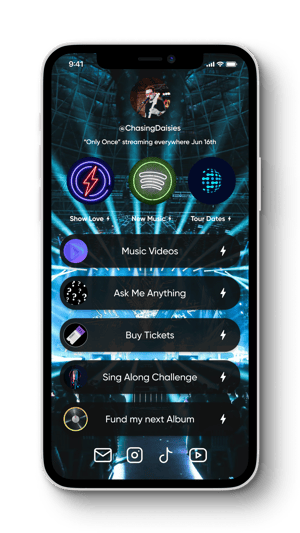
Koji’s framework allows for a high degree of aesthetic customization, moving beyond the "one-size-fits-all" templates of its predecessors. Cannon notes that Koji provides tools to tell a narrative through customized text and high-resolution graphics. This capability is critical because the modern listener’s attention span is a finite resource. A cohesive, visually appealing landing page reduces "bounce rates"—the frequency with which users leave a site after viewing only one page—and increases the likelihood of a "deep dive" into the artist’s catalog.

Technical Infrastructure: The Koji App Store Advantage
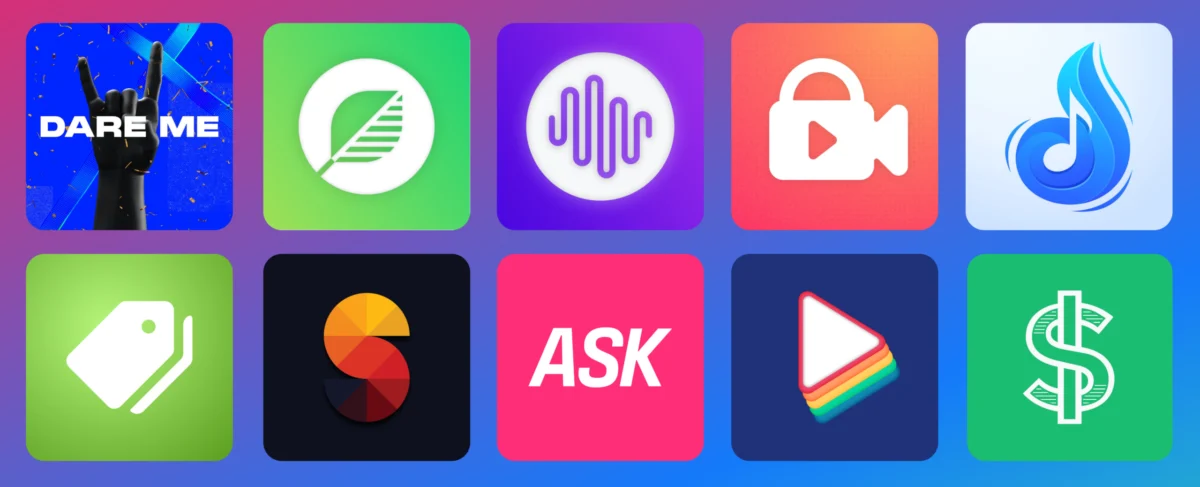
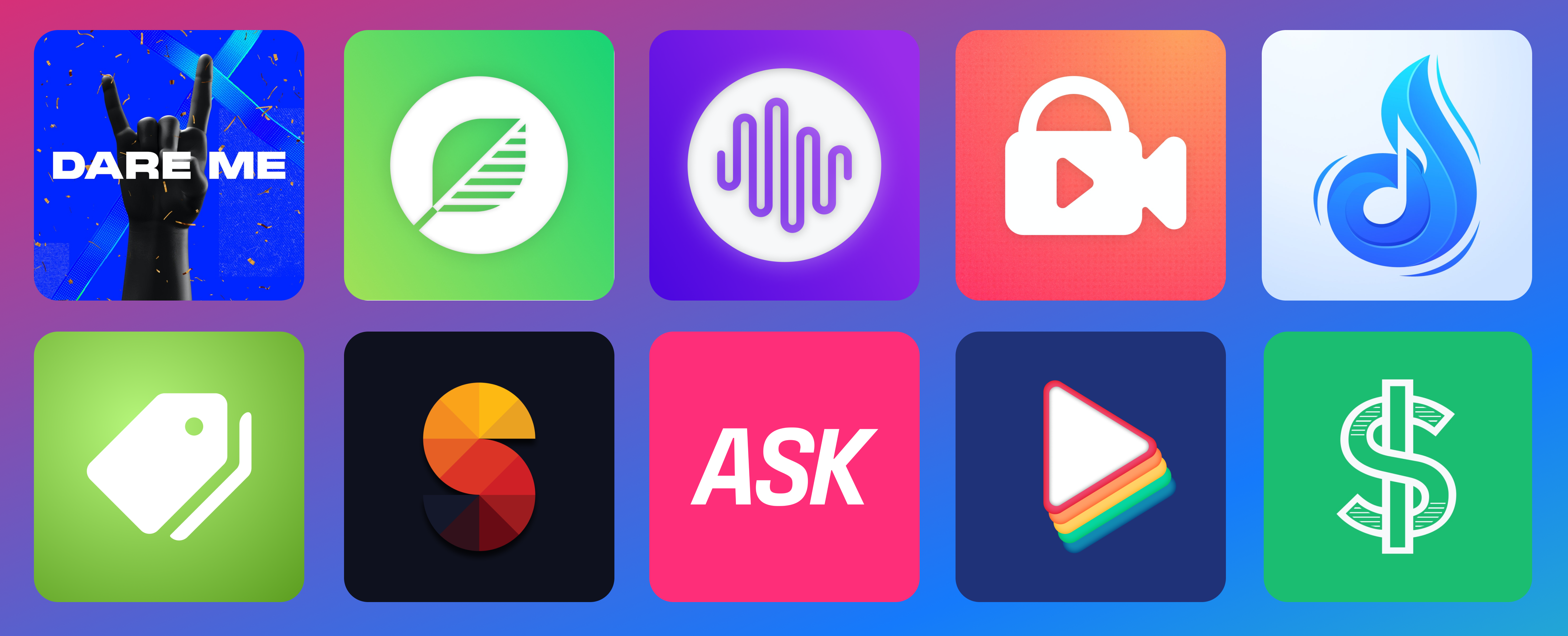
The primary differentiator for Koji is its integrated App Store, which utilizes a modular web architecture to run "mini-apps" directly within the social media browser. This technical innovation eliminates the need for fans to download additional software or be redirected to third-party sites, which often results in login friction and abandoned transactions.
From a marketing perspective, this "no-download" requirement is revolutionary. Jesse Cannon highlights that these apps allow for high-quality marketing directly to the audience. For instance, if an artist wants to sell a digital beat pack or a PDF of sheet music, the transaction occurs within the Koji interface. This streamlined process is supported by data suggesting that every additional click or redirect in a digital checkout process can lead to a 10% to 30% drop in conversion rates. By keeping the user within the Koji environment, artists maximize their revenue potential.
Monetization Streams and Mini-App Utility for Musicians
For musicians, the monetization landscape has shifted from a reliance on streaming royalties—which average between $0.003 and $0.005 per stream—to a diversified "portfolio" of income streams. Koji’s app ecosystem facilitates this by providing specific tools for various stages of an artist’s career:

- Direct Digital Sales: Artists can sell unreleased tracks, stems for remixing, or digital art directly to fans.
- Interactive Engagement: Apps like "Ask Me Anything" or "Shoutouts" allow artists to monetize their time and personality, creating a more intimate connection with the fan base.
- Crowdfunding and Tips: Integrated tip jars and "Locked Content" apps provide immediate ways for superfans to support the artist’s work without the overhead of platforms like Patreon or Kickstarter.
- Data Acquisition: Email sign-up apps allow musicians to build a mailing list, which remains the most effective way to reach fans without being subject to the fluctuating algorithms of social media platforms.
Cannon’s analysis suggests that these tools allow for "steady streams of income" that were previously only available to artists with significant technical teams or large label backing.
Chronology of Platform Optimization
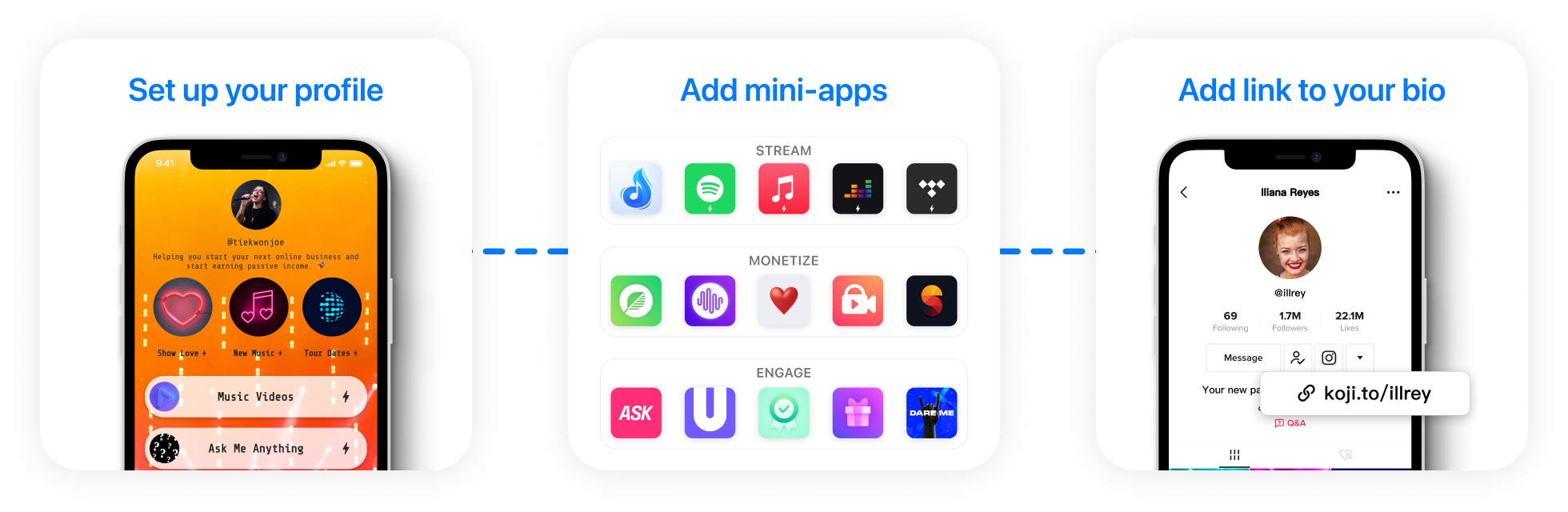
The process of building a professional Koji profile follows a logical progression designed to maximize reach and retention. Based on Cannon’s recommendations and industry best practices, the timeline for establishing a "supercharged" link in bio involves several key phases:
Phase 1: Structural Setup
The artist selects a visual theme that aligns with their current branding or latest release. This includes high-quality background imagery and a clear, professional profile picture. The objective here is brand consistency across all touchpoints.
Phase 2: App Integration
The artist selects three to five core mini-apps based on their current objectives. A touring musician might prioritize a "Bandsintown" integration, while a studio producer might prioritize a "Sell Digital Downloads" app.
Phase 3: Content Curation
This involves the strategic placement of links. Cannon suggests that the most important call-to-action (CTA)—such as a new single or a ticket link—should be positioned at the top of the profile to ensure maximum visibility.
Phase 4: Optimization and Analytics
Utilizing Koji’s built-in analytics, artists can track which apps are performing best and where their traffic is coming from. This data-driven approach allows for the iterative refinement of the profile to better serve the audience’s interests.
Broader Industry Impact and Implications
The adoption of sophisticated link-in-bio platforms like Koji has significant implications for the music industry’s power dynamics. Historically, the "gatekeepers"—labels and distributors—controlled the flow of information and the collection of fan data. Platforms like Koji democratize this access, allowing independent artists to operate with the efficiency of a small enterprise.
Furthermore, the integration of frictionless payment systems within these micro-apps signals a move toward a more decentralized music economy. As blockchain and Web3 technologies continue to mature, platforms like Koji have already begun integrating NFT displays and crypto-wallet connections, positioning themselves at the forefront of the next technological shift in the industry.
Official responses from the creator community and digital marketing analysts suggest that the "link in bio" is no longer an optional add-on but a primary piece of infrastructure. Jesse Cannon’s endorsement of Koji reflects a growing consensus that the "first impression" and the "ease of transaction" are the two most critical factors in modern music marketing.
Analysis of Fan-Artist Relationship Dynamics
Beyond the technical and financial aspects, Koji facilitates a deeper psychological connection between the artist and the fan. Cannon posits that we should consider the fan’s perspective: "If a fan clicked around [your Koji], what would make the best first impression or get them to build a deeper relationship?"
This question addresses the "Fandom Funnel," where a user moves from discovery (viewing a TikTok) to interest (clicking the bio) to desire (engaging with the Koji apps) and finally to action (purchasing a product or joining a mailing list). By providing a professional, interactive, and rewarding experience at the "interest" stage, Koji increases the conversion rate throughout the entire funnel.
Conclusion
The evidence presented by Jesse Cannon and the broader trends in the digital economy indicate that Koji offers a superior framework for musicians looking to professionalize their online presence. By combining high-level customization with a robust app-based ecosystem, Koji solves the problem of platform fragmentation while opening new avenues for revenue. As the music industry continues to evolve, the ability to maintain a centralized, interactive, and monetizable hub will remain a vital asset for any artist seeking to build a sustainable and independent career. Through the strategic use of these tools, musicians can ensure that their first impression on a fan is not just a moment of contact, but the beginning of a long-term professional relationship.
