

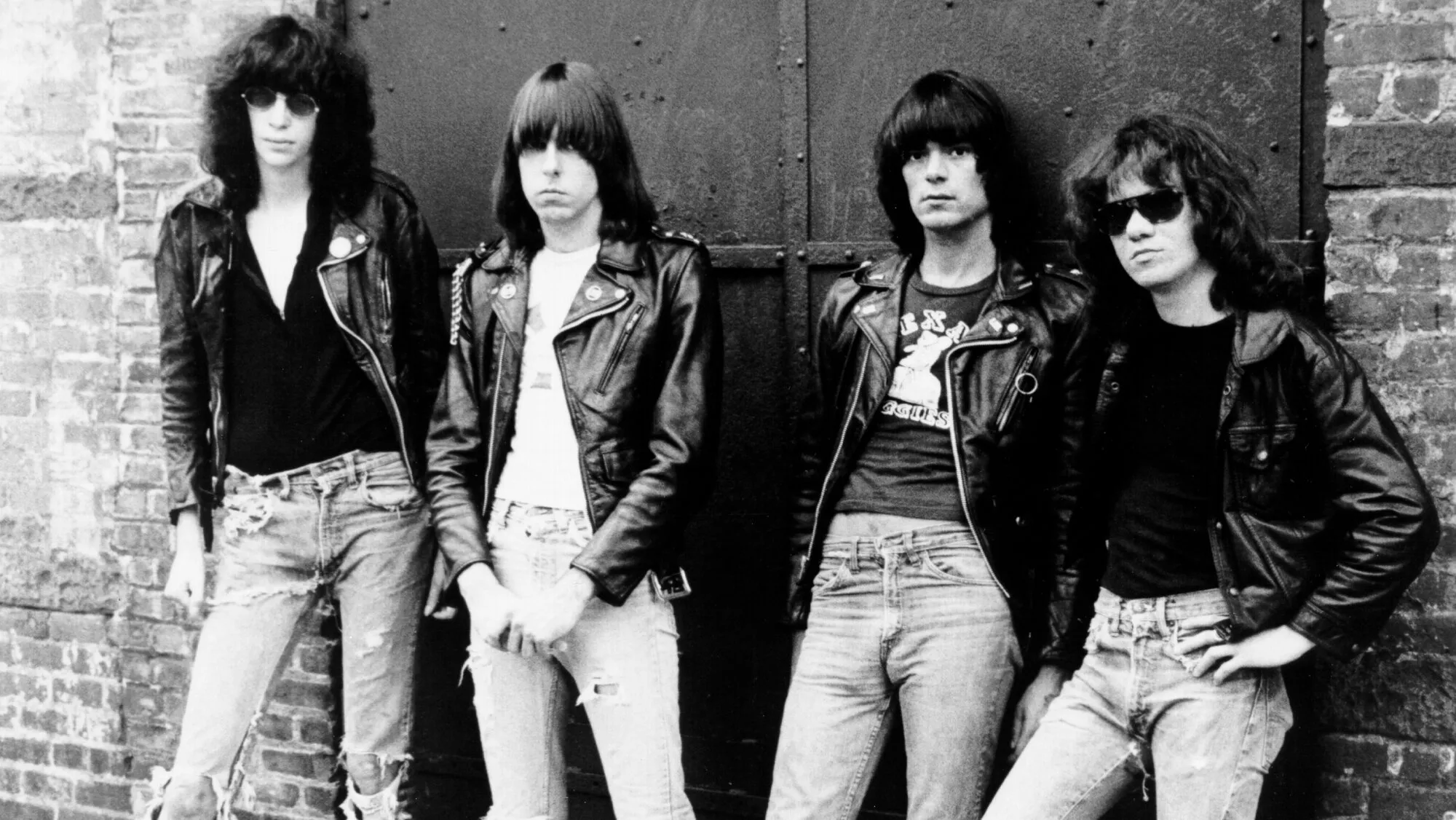
The mid-1970s marked a seismic shift in the global musical landscape, characterized by a violent departure from the polished production and lengthy compositions of the progressive and classic rock eras. At the center of this cultural insurrection were three vocalists whose distinctive voices, lyrical sensibilities, and stage personas provided the blueprint for the punk rock movement. Joey Ramone, Joe Strummer, and Johnny Rotten did more than front successful bands; they acted as the primary catalysts for a subgenre that prioritized raw energy, social commentary, and a "do-it-yourself" (DIY) ethos over technical virtuosity. By examining the contributions of these three figures, one can trace the evolution of punk from a localized New York City phenomenon to a global socio-political force that continues to influence contemporary music, fashion, and activism.
The Emergence of the Punk Paradigm
To understand the impact of these vocalists, it is necessary to consider the environment from which they emerged. By 1974, the music industry was dominated by "stadium rock" acts—bands like Led Zeppelin, Pink Floyd, and Yes—who utilized high-fidelity recording techniques and complex musical structures. While commercially successful, these artists were increasingly viewed by a younger, disillusioned generation as detached and elitist. Economic stagnation in both the United States and the United Kingdom further fueled a desire for music that reflected the gritty reality of urban life.
Punk rock emerged as the antithesis of this perceived excess. It was characterized by short song durations, fast tempos, and a rejection of the traditional "rock star" image. The vocalists of this era were not typically trained singers; instead, they used their voices as instruments of confrontation and authentic expression. This shift was not merely aesthetic but structural, as it lowered the barrier to entry for aspiring musicians and challenged the hegemony of major record labels.
Joey Ramone: The Blueprint of Minimalism
The Ramones, formed in Forest Hills, Queens, in 1974, are widely credited with inventing the sonic template of punk rock. At the forefront was Joey Ramone (born Jeffrey Hyman), a towering figure whose vocal style was an improbable blend of 1960s "girl group" melodies and a rapid-fire, monochromatic delivery. While his bandmates—Johnny, Dee Dee, and Tommy—provided a relentless wall of distorted guitar and eighth-note drumming, Joey’s voice gave the music its heart and accessibility.
Joey Ramone’s contribution to the genre was rooted in a radical simplification of rock and roll. Songs like "Blitzkrieg Bop" and "I Wanna Be Sedated" utilized three-chord structures and repetitive, anthemic choruses. Data from the era suggests that while The Ramones never achieved the massive commercial heights of their contemporaries during their initial run—their self-titled debut album peaked at only 111 on the Billboard 200—their influence was exponential. The band’s 1976 performance at the Roundhouse in London is frequently cited by historians as the "Big Bang" for the British punk scene, inspiring members of The Clash and the Sex Pistols to form their own groups.
Joey’s vocal delivery was notably devoid of the bluesy affectations common in 1970s rock. He sang with a slight British-inflected accent, a nod to the British Invasion bands he admired, yet his tone remained uniquely American and suburban. By stripping away the ego-driven solos of the era, Joey Ramone proved that rock music could be powerful through brevity and sincerity.
Joe Strummer: The Political Conscience
If The Ramones provided the framework for punk, The Clash provided its intellectual and political depth. Frontman Joe Strummer (born John Graham Mellor) transitioned from the London pub rock scene to become the "moral compass" of the punk movement. Strummer’s vocal style was characterized by a gravelly urgency and a rhythmic cadence that drew as much from reggae and ska as it did from traditional rock.
Under Strummer’s leadership, The Clash expanded the boundaries of what punk rock could address. While many early punk bands focused on personal angst or nihilism, Strummer utilized the microphone to tackle systemic issues such as unemployment, racial tension, and imperialism. The 1979 masterpiece London Calling remains a definitive document of this era, showcasing a band that refused to be pigeonholed by the genre’s perceived limitations. The album has since been certified platinum in the United States and is consistently ranked by publications like Rolling Stone as one of the greatest albums of all time.
Strummer’s commitment to his message was reflected in his live performances, which were marked by an intense, physical exertion that often left him exhausted. He famously stated, "Punk rock is about the freedom to create, the freedom to be successful, the freedom to not be successful, the freedom to be who you are. It’s about the freedom to do anything." This philosophy resonated with a global audience, transforming The Clash from a local London act into "The Only Band That Matters." Strummer’s legacy is defined by his belief that music could serve as a vehicle for social change, a concept that paved the way for later movements like Riot Grrrl and the political hardcore of the 1980s.
Johnny Rotten: The Agent of Chaos
Perhaps no figure in the history of the genre is more synonymous with the word "punk" than Johnny Rotten (born John Lydon). As the frontman of the Sex Pistols, Rotten became the face of a moral panic that gripped the United Kingdom in 1977. His vocal style was not "singing" in any traditional sense; it was a sneering, theatrical declamation that prioritized provocation over melody.
The Sex Pistols’ rise was meteoric and calculated, orchestrated in part by manager Malcolm McLaren. However, it was Rotten’s genuine contempt for the British establishment that gave the band its frightening authenticity. The release of "Anarchy in the U.K." in 1976 and "God Save the Queen" in 1977 coincided with the Queen’s Silver Jubilee, creating a cultural flashpoint. Despite being banned from BBC radio and numerous retail outlets, "God Save the Queen" reached number two on the UK Singles Chart (though many believe it actually reached number one and was suppressed by the industry).
Rotten’s impact on the subgenre was primarily as a disruptor. He dismantled the concept of the "rock god," replacing it with a figure that was confrontational, unwashed, and unapologetically intelligent. His lyrics were biting satires of British class structure and consumerism. After the Sex Pistols disbanded in 1978, Lydon continued to innovate with Public Image Ltd (PiL), moving into post-punk and experimental territories, further proving that the punk spirit was not tied to a specific sound, but to a refusal to conform.
Chronology of Influence: 1974–1980
The timeline of these three vocalists illustrates a rapid evolution of the genre:
- 1974: The Ramones form in New York, establishing the fast-tempo, minimalist sound.
- 1975: The Sex Pistols form in London, influenced by the burgeoning New York scene and British social unrest.
- 1976: The Ramones play London, acting as a catalyst for the UK scene. The Sex Pistols release "Anarchy in the U.K." The Clash signs with CBS Records.
- 1977: The "Year of Punk." The Sex Pistols release Never Mind the Bollocks, Here’s the Sex Pistols. The Clash releases their self-titled debut.
- 1978: The Sex Pistols break up following a disastrous US tour. The Ramones release "I Wanna Be Sedated."
- 1979: The Clash releases London Calling, expanding the genre’s musicality and global reach.
- 1980: The death of Joy Division’s Ian Curtis and the rise of New Wave signify the transition of punk into diverse sub-movements.
Comparative Analysis and Industry Impact
While Joey Ramone, Joe Strummer, and Johnny Rotten shared a common rejection of the status quo, their approaches to the vocal role differed significantly. Joey was the quintessential pop-punk progenitor, focusing on the hook and the rhythmic drive. Strummer was the activist-poet, using the genre as a platform for global awareness. Rotten was the iconoclast, using his voice to tear down the existing structures of the music industry and society at large.
The combined impact of these three artists forced the music industry to recalibrate. Major labels began scouting for "the next big thing" in underground clubs, leading to the signing of bands that would eventually form the New Wave and Alternative Rock movements. Data from the late 1970s shows a marked increase in independent record labels, as the DIY ethos championed by these vocalists convinced thousands of young people that they did not need a corporate gatekeeper to produce music.
Broader Implications and Legacy
The influence of these three vocalists extends far beyond the charts. They redefined the parameters of celebrity, proving that charisma and conviction were more valuable than traditional "talent." In the decades following the initial punk explosion, their influence can be seen in the grunge movement of the 1990s (with Kurt Cobain frequently citing the Sex Pistols and The Clash as influences) and in the modern landscape of independent music.
Furthermore, the social implications of their work remain relevant. Joe Strummer’s focus on anti-racism and economic equality continues to inspire musicians involved in social justice movements. Johnny Rotten’s skepticism of authority remains a hallmark of countercultural thought. Joey Ramone’s commitment to the purity of the rock song continues to be the standard for pop-punk bands worldwide.
In conclusion, Joey Ramone, Joe Strummer, and Johnny Rotten were the essential architects of the punk rock movement. They provided the voice for a generation that felt unheard, and in doing so, they permanently altered the trajectory of popular culture. Their work serves as a reminder that the most significant musical revolutions often come from those who are willing to break the rules, challenge the establishment, and speak—or scream—their own truth. Through their grit, attitude, and angst, they ensured that music would never be the same again.
