

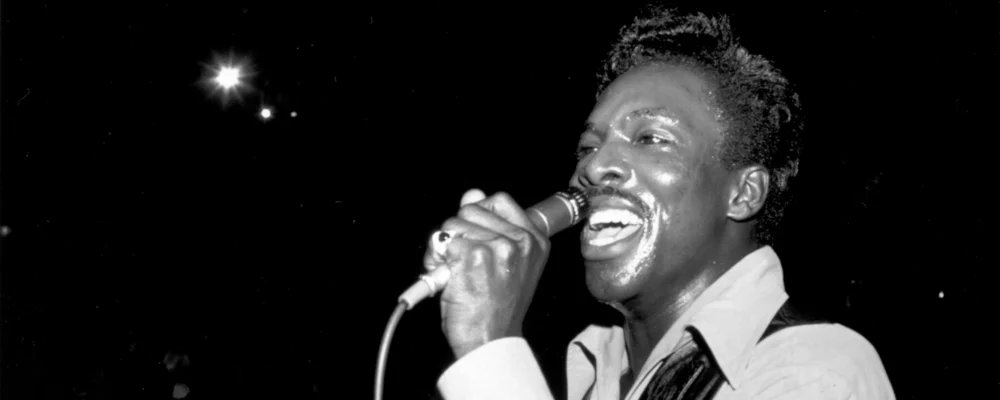
The year 1967 is frequently cited by musicologists and historians as a pivotal turning point in the evolution of American popular music. While the "Summer of Love" dominated the headlines with the psychedelic rock of San Francisco, a parallel revolution was occurring within the corridors of soul and R&B. This transformation saw the genre move away from the traditional, melody-driven structures of the early 1960s toward a more aggressive, rhythm-centric sound that would eventually be codified as funk. Central to this seismic shift were three landmark recordings: Wilson Pickett’s "Funky Broadway," James Brown’s "Cold Sweat," and King Curtis’s "Memphis Soul Stew." These tracks did more than just fill dance floors; they restructured the DNA of Black American music, prioritizing the "groove" as the primary element of composition.
The Socio-Cultural Landscape of 1967
To understand the emergence of these deep grooves, one must consider the socio-political climate of the United States in the late 1960s. The Civil Rights Movement was entering a more militant phase, and the "Black Power" movement was gaining momentum. This shift in consciousness was reflected in the music, which became bolder, more percussive, and more unapologetic. The music of 1967 was not merely an accompaniment to the era’s social upheavals; it was a rhythmic manifestation of a new cultural identity.
In the recording studios of the South and the Midwest, musicians began to experiment with deconstructing the standard 4/4 backbeat. By emphasizing the first beat of every measure—a technique James Brown famously dubbed "The One"—artists created a hypnotic, cyclical tension that compelled listeners to move. This rhythmic innovation provided the foundation for what would become the funk era of the 1970s.
Wilson Pickett and the Muscle Shoals Transformation
The story of "Funky Broadway" begins not with Wilson Pickett, but with Arlester "Dyke" Christian and his band, Dyke & the Blazers. Recorded in late 1966 and released in early 1967, the original version of "Funky Broadway" was a raw, lo-fi recording that captured the energy of the Phoenix, Arizona, club scene. However, it was Wilson Pickett’s cover, recorded at FAME Studios in Muscle Shoals, Alabama, that propelled the song into the national consciousness and cemented its status as a funk cornerstone.
Pickett arrived at FAME Studios in mid-1967 during a period of intense productivity. Working with the legendary Muscle Shoals Rhythm Section—affectionately known as "The Swampers"—Pickett sought to refine the raw energy of the original track into a polished, driving force. The recording session, overseen by producer Rick Hall, focused on a repetitive, insistent bassline and a sharp, staccato horn arrangement.
The lyrics of "Funky Broadway" describe a universal urban experience, referencing the "Funky Broadways" found in cities across the country. This repetition in the lyrics is mirrored by the musical arrangement, which eschews complex chord changes in favor of a steady, unwavering vamp. Pickett’s version reached number one on the Billboard R&B Communications chart and peaked at number eight on the Hot 100, proving that the "funky" sound had significant crossover appeal. Industry data from the period suggests that "Funky Broadway" was one of the first tracks to successfully market the word "funky" to a mainstream white audience, a term that had previously been considered slang or even derogatory in certain circles.
James Brown and the Invention of Modern Funk
While Pickett was refining the groove in Alabama, James Brown was fundamentally reinventing it in Cincinnati and on the road. Recorded in May 1967 at King Studios, "Cold Sweat" is widely regarded by critics as the first "true" funk song. The track represents a radical departure from Brown’s earlier gospel-influenced R&B hits like "Please, Please, Please."
The architecture of "Cold Sweat" was primarily designed by Brown’s bandleader and arranger, Alfred "Pee Wee" Ellis. Ellis has famously stated that the song’s signature horn riff was inspired by "So What" from Miles Davis’s 1959 jazz masterpiece, Kind of Blue. Ellis took Davis’s cool, modal motif and accelerated it, turning it into a hard-hitting, percussive blast.
The technical brilliance of "Cold Sweat" lies in its minimalism. The song is built around a single chord for much of its duration, with the interest generated through rhythmic interplay between the drums, the bass, and the "scratchy" guitar work of Jimmy Nolen. Drummer Clyde Stubblefield provided a drum break that would later become one of the most sampled loops in hip-hop history.
Upon its release, "Cold Sweat" spent three weeks at the top of the R&B charts. Music analysts point out that the song’s lack of a traditional melodic hook was a daring commercial risk. However, the sheer physical power of the rhythm proved irresistible. Brown’s vocal performance—characterized by grunts, shrieks, and desperate wails—treated the human voice as another percussion instrument, further eroding the boundaries between melody and rhythm.
King Curtis and the Anatomy of Memphis Soul
The third pillar of the 1967 funk revolution was King Curtis’s "Memphis Soul Stew." Unlike the vocal-heavy tracks of Pickett and Brown, this was an instrumental masterclass that served as both a song and a technical demonstration of how a groove is constructed.
King Curtis (born Curtis Ousley) was a virtuoso saxophonist and a veteran of the New York and Atlantic Records session scenes. In 1967, he was at the height of his powers, having recently recorded the iconic saxophone solo on Aretha Franklin’s "Respect." For "Memphis Soul Stew," Curtis took his band, the Kingpins, into the studio to create a tribute to the "Memphis Sound"—a style defined by the gritty, bottom-heavy recordings coming out of Stax and American Sound Studio.
The track opens with Curtis’s spoken-word "recipe." He begins with "half a teacup of bass," followed by "a pound of fatback drums." As he names each ingredient, the respective musician enters, building the track layer by layer in front of the listener’s ears. This chronological layering provides a rare insight into the hierarchy of a funk ensemble:
- The Bass: Jerry Jemmott provides a syncopated, melodic foundation.
- The Drums: Bernard Purdie introduces the "Purdie Shuffle" or a variation of a fatback beat, emphasizing the backbeat while maintaining a complex internal rhythm.
- The Guitar: Cornell Dupree adds rhythmic "chanks" that fill the gaps between the drum hits.
- The Organ: Billy Preston provides a soulful, atmospheric texture.
The climax of the "stew" occurs when Curtis calls for "half a pint of horn," leading into his own blistering tenor sax solo. The song peaked at number six on the R&B charts and remains a definitive example of the technical precision required to play funk. It demonstrated that "funkiness" was not an accident of feeling, but a deliberate, calculated assembly of specific musical elements.
Chronology of a Revolution: 1967 Release Timeline
To see the rapid evolution of the genre, one can look at the release dates of these pivotal works throughout the year:
- January 1967: Dyke & the Blazers’ "Funky Broadway" begins to climb regional charts, introducing the concept of the "funky" groove to a wider R&B audience.
- May 1967: James Brown and his orchestra record "Cold Sweat" at King Studios in Cincinnati. The session marks a definitive break from the "Motown" style of melodic soul.
- July 1967: James Brown releases "Cold Sweat." It immediately disrupts the R&B landscape, forcing other artists to reckon with its new rhythmic vocabulary.
- July 1967: Wilson Pickett releases his version of "Funky Broadway." Its success at FAME Studios solidifies Muscle Shoals as a premier destination for the new "heavy" soul sound.
- August 1967: King Curtis releases "Memphis Soul Stew." The track serves as a bridge between the jazz-inflected R&B of the early 60s and the emerging funk movement.
Analytical Implications and Long-term Impact
The shift toward funk in 1967 had profound implications for the music industry. Economically, it signaled the rise of the "self-contained band." While Motown relied on a factory-like system of songwriters and session players, funk pioneers like James Brown and King Curtis emphasized the unique chemistry of a specific group of musicians. This paved the way for the great funk bands of the 1970s, such as Sly & the Family Stone, Earth, Wind & Fire, and Parliament-Funkadelic.
Technologically, these recordings pushed the limits of studio equipment. Engineers had to find new ways to capture the "thump" of the kick drum and the "snap" of the electric bass without distorting the track. The emphasis on the low-end frequencies in these 1967 recordings set the standard for modern record production.
Furthermore, the influence of these tracks extends into the modern era through the medium of hip-hop. The drum breaks from "Cold Sweat" and the rhythmic structures of "Funky Broadway" and "Memphis Soul Stew" have been sampled thousands of times. According to data from the "WhoSampled" database, James Brown remains the most sampled artist in history, with "Cold Sweat" being a primary source for producers seeking a "breakbeat" that carries both historical weight and rhythmic complexity.
Conclusion: The Legacy of the 1967 Groove
While 1967 is often celebrated for the "Summer of Love" and the psychedelic experimentation of rock music, the contributions of Wilson Pickett, James Brown, and King Curtis were equally revolutionary. They moved the center of gravity in popular music from the ear to the feet, and from the melody to the rhythm.
"Funky Broadway" proved that the groove could be a commercial juggernaut. "Cold Sweat" proved that the groove could be a radical artistic statement. "Memphis Soul Stew" proved that the groove was a craft that could be broken down and taught. Together, these three songs didn’t just define a year; they launched a genre that would dominate the next decade and continue to influence the sound of global popular music well into the 21st century. The "stinky face" described by funk aficionados—the involuntary grimace caused by a particularly deep or "nasty" rhythm—remains the ultimate tribute to the innovations of 1967.
