

The landscape of the global music industry has undergone a seismic shift over the last decade, transitioning from a centralized, label-dominated hierarchy to a decentralized ecosystem where independent artists now command a significant share of the market. According to recent industry reports from MIDiA Research, independent artists—those not signed to major labels—are the fastest-growing segment of the music business, generating over $1.2 billion in annual revenue. However, this democratization of production and distribution has created a saturated marketplace where visibility is the primary currency. In this high-competition environment, the traditional "lone wolf" approach to music creation is being replaced by strategic networking and cross-disciplinary collaboration. For the modern independent musician, networking is no longer a peripheral activity; it is a fundamental pillar of career sustainability and artistic growth.
The intimidation factor associated with networking often stems from a misunderstanding of its purpose. Rather than a transactional exchange of favors, modern networking in the arts is a form of community building that leverages collective intelligence and shared audiences. By adopting specific, unconventional strategies, musicians can bypass traditional gatekeepers and build robust professional networks that provide both creative inspiration and commercial opportunities.
The Economic and Creative Context of Independent Music
To understand the necessity of these networking strategies, one must examine the current state of the music economy. The rise of streaming platforms has lowered the barrier to entry, but it has also increased the volume of content, with over 100,000 new tracks uploaded to digital service providers daily. In this "attention economy," the most successful independent artists are those who utilize collaborative networks to amplify their reach. Collaboration serves a dual purpose: it allows for the blending of musical genres—creating "hybrid" sounds that appeal to broader demographics—and it facilitates "audience sharing," where the followers of one artist are introduced to the work of another.
Historically, the music industry relied on A&R (Artists and Repertoire) executives to facilitate these connections. Today, the responsibility has shifted entirely to the artist. This shift requires a multifaceted approach that combines physical community engagement with digital platform proficiency.
Strategy 1: Cross-Disciplinary Engagement and Local Art Ecosystems
The first unconventional pillar of modern networking involves looking beyond the immediate music industry to the broader local arts scene. The "silo effect," where musicians only interact with other musicians, often leads to creative stagnation and limited exposure. By engaging with visual artists, theater companies, and performance poets, musicians can tap into untapped markets and find unique applications for their work.
Local art galleries and festivals serve as prime locations for these interactions. For example, the growing trend of immersive art installations requires specialized soundtracks and atmospheric audio. A musician who establishes a relationship with a local sculptor or digital artist may find themselves commissioned to provide the auditory component of a high-profile exhibition. Similarly, local theater productions frequently require original compositions or live accompaniment. These collaborations offer more than just a paycheck; they provide "social proof" and prestige that can be leveraged when applying for grants or booking larger venues.
Chronologically, an artist’s entry into this space usually begins with attendance at non-music events. This phase is followed by "soft networking"—engaging in genuine dialogue about the art without an immediate pitch. The final phase is the collaborative proposal, where the musician identifies a specific need within a different artistic medium and offers a tailored musical solution.
Strategy 2: The Rise of Collaborative Hubs and Feedback Collectives
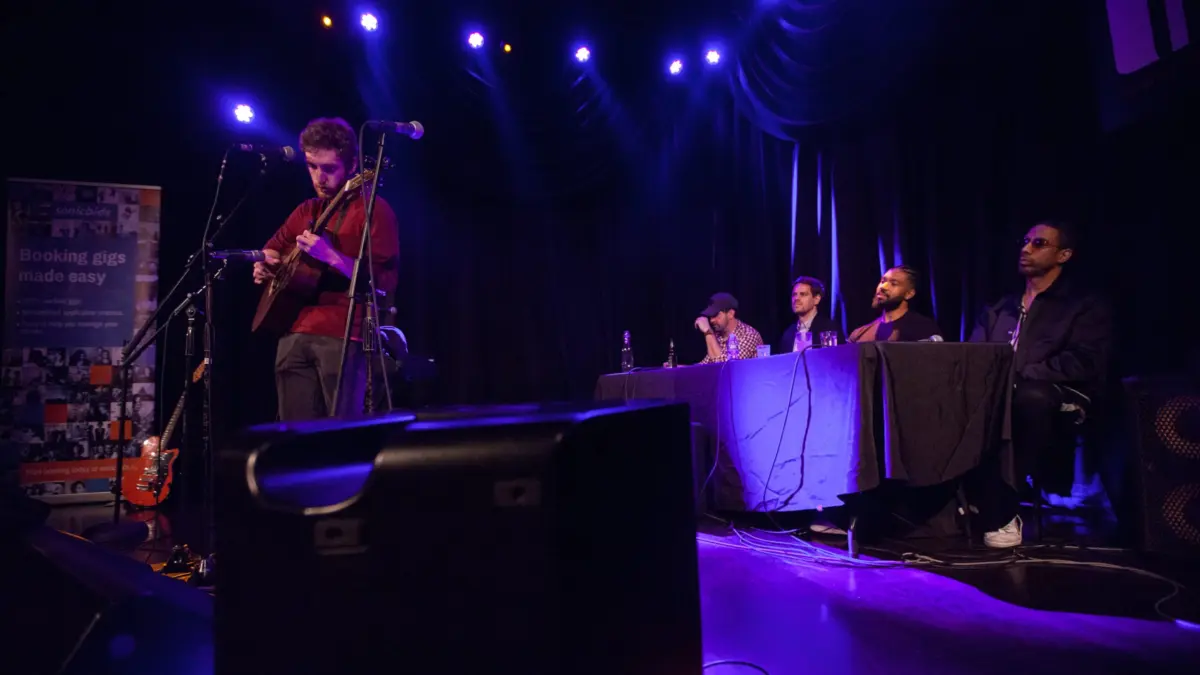
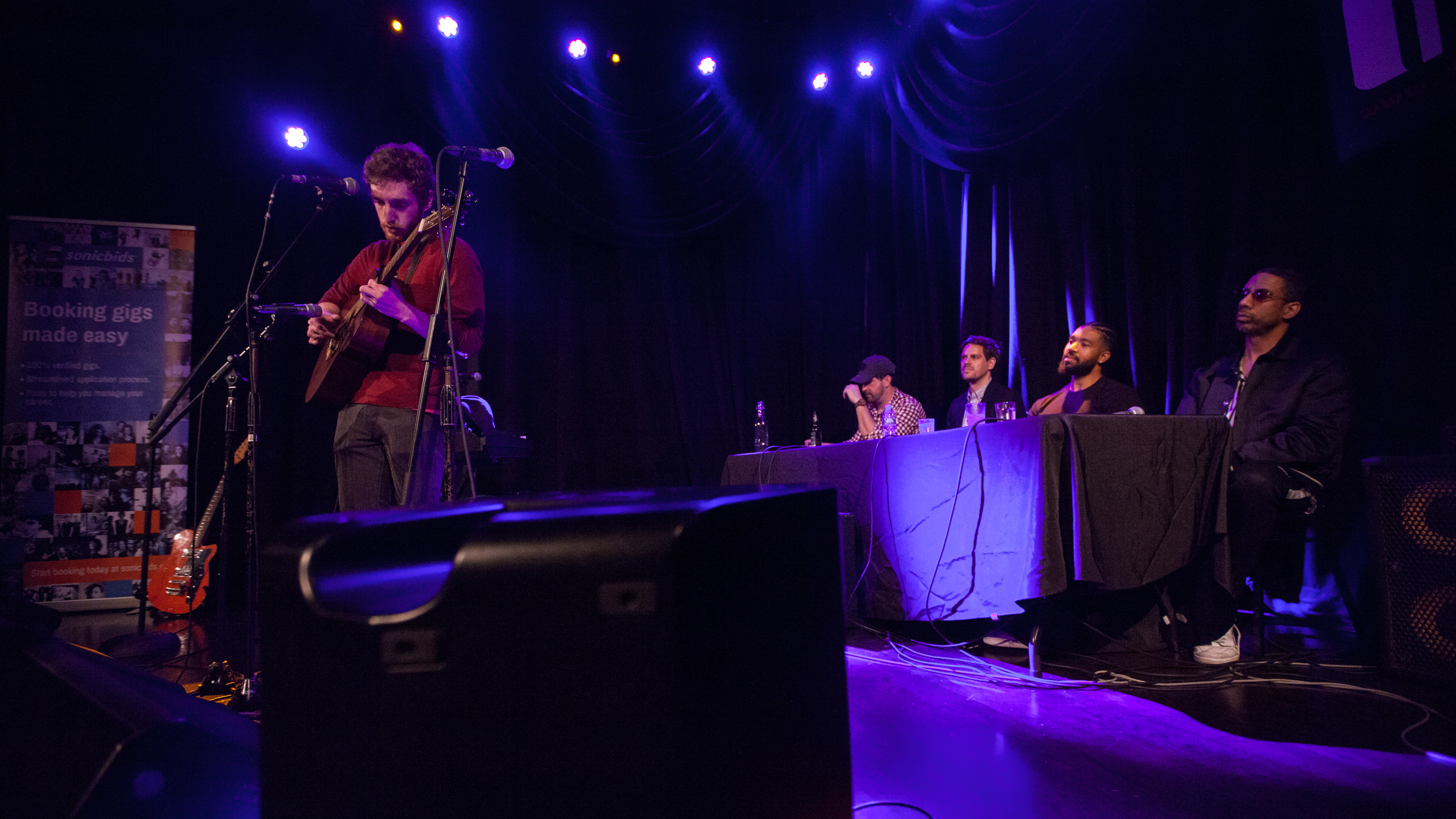
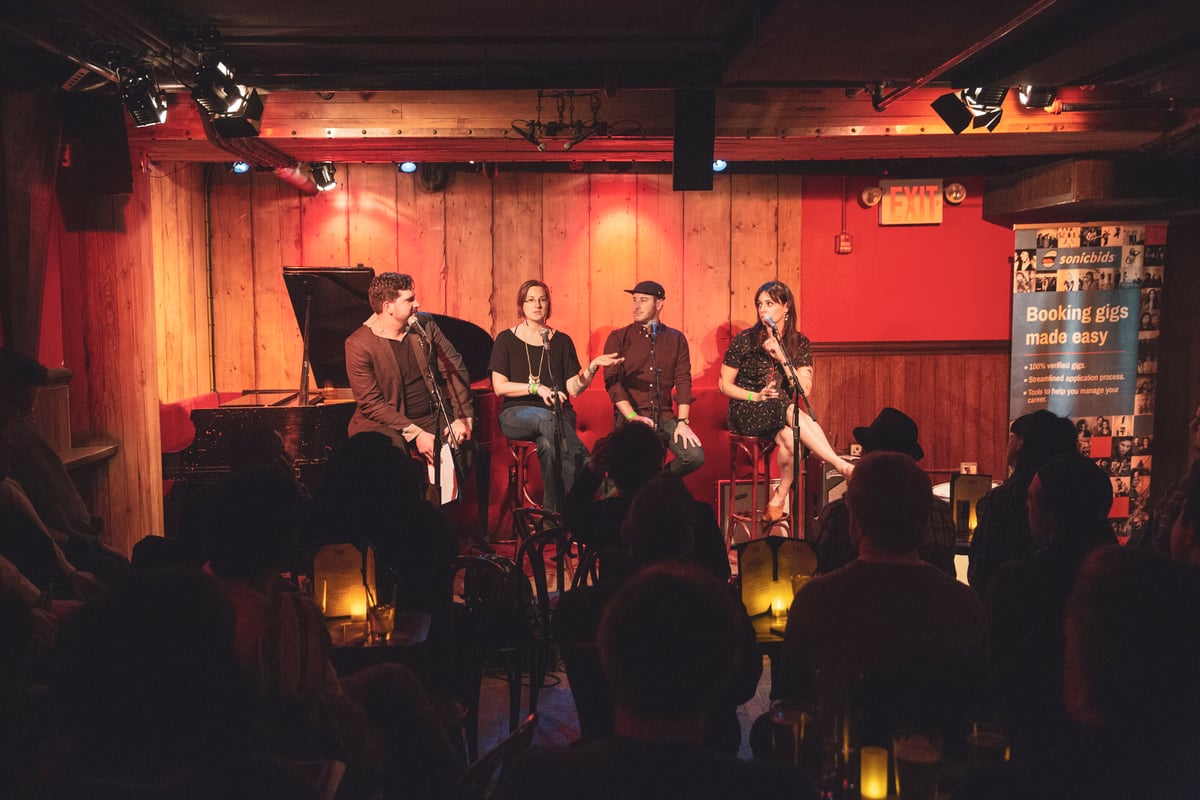
Physical space remains a critical component of professional development. The hosting of jam sessions and songwriting workshops, such as the "Feedback Collective" panels hosted by Sonicbids, represents a shift toward structured community learning. These events move away from the competitive "open mic" format and toward a collaborative "lab" environment.
The logic behind hosting such events is rooted in the "center of influence" theory. By taking the initiative to organize a workshop or jam session, an artist positions themselves as a leader and a connector within their local scene. This visibility naturally attracts other high-level talent. When a rock guitarist collaborates with a jazz saxophonist in a controlled, experimental setting, the resulting "fusion" often leads to the development of new sub-genres that can capture the interest of music critics and playlist curators.
Furthermore, these sessions provide a low-stakes environment for "talent scouting." An independent artist can evaluate the professionalism and skill of potential collaborators before committing to a formal project. Industry data suggests that artists who participate in regular collaborative workshops are 40% more likely to release multi-artist projects, which historically perform better on streaming algorithms due to the combined data of all involved parties.
Strategy 3: Digital Platforms and the New Collaborative Interface
While mainstream social media platforms like Instagram and TikTok are essential for marketing, they are often suboptimal for deep professional networking. Instead, independent musicians are increasingly turning to specialized platforms like BandLab, SoundCloud, and Discord. These platforms are designed for the "creator-to-creator" economy rather than just "creator-to-fan" interactions.
BandLab, for instance, has reported a surge in remote collaborations, allowing artists in different time zones to contribute to a single project in real-time. This "cloud-based" networking breaks down geographical barriers, enabling a producer in London to work with a vocalist in Nashville. The professional etiquette on these platforms involves "value-first" engagement—leaving detailed, technical feedback on other artists’ tracks before proposing a partnership.
The implication of this digital shift is the rise of the "global local" scene. An artist can maintain a strong presence in their physical city while simultaneously belonging to a niche digital community of avant-garde electronic producers or folk songwriters. This dual-track networking strategy ensures that the artist is not dependent on a single geographic market for their success.
Strategy 4: Volunteering as a Strategic Entry Point
Music festivals and large-scale industry conferences often appear inaccessible to independent artists due to high ticket prices or exclusive guest lists. However, volunteering provides a legitimate "backdoor" into these high-value environments. By working in logistics, artist hospitality, or stage management, musicians gain behind-the-scenes access to industry professionals and headlining artists.

The chronology of a successful volunteer stint involves three stages:
- Operational Excellence: Performing assigned tasks with high efficiency to build trust with organizers.
- Observational Learning: Gaining insights into the technical and business requirements of large-scale productions.
- Opportunistic Networking: Identifying moments of downtime to introduce oneself to other professionals in a non-intrusive manner.
Many industry veterans cite their early days as volunteers or interns as the period when they formed their most enduring professional relationships. In a field built on trust and reliability, being seen as a hard worker in a high-pressure festival environment is often more persuasive than a well-written cold email.
Strategy 5: Leveraging Fan Equity for Professional Connections
One of the most overlooked assets in a musician’s network is their existing fanbase. The "1,000 True Fans" theory, popularized by Kevin Kelly, posits that an artist only needs a modest, dedicated following to be financially viable. In the context of networking, these fans often possess their own professional connections that can be utilized.
Modern independent musicians are increasingly using "Direct-to-Fan" (D2F) communication tools, such as surveys, Discord servers, and Patreon, to involve their audience in the creative process. By asking fans who they should collaborate with, or if they have connections to local venues or media outlets, artists can uncover opportunities that would otherwise remain hidden. This approach turns the audience from passive consumers into active stakeholders in the artist’s career. For example, a fan who works in a marketing agency might offer pro-bono advice, or a fan with a connection to a local radio station might facilitate an introduction.
Broader Impact and Industry Implications
The shift toward these diverse networking strategies has profound implications for the structure of the music industry. As independent artists become more adept at self-organizing and collaborating, the traditional power of major labels as "gatekeepers" continues to wane. We are seeing the emergence of "artist collectives"—groups of independent musicians who share resources, equipment, and fanbases to achieve the same reach as a mid-tier label.

Fact-based analysis suggests that this collaborative model leads to higher long-term retention in the industry. Musicians who are part of a supportive community are less likely to suffer from the burnout associated with the "solo grind." Furthermore, the cross-pollination of genres driven by these interactions is currently the primary driver of innovation in popular music.
Conclusion: The Future of the Independent Musician
Networking and collaboration are no longer optional "soft skills" for the independent musician; they are the engines of the modern music economy. By embracing local art scenes, hosting community events, utilizing specialized digital platforms, volunteering, and engaging their fanbase, musicians can build a resilient professional infrastructure.
The data is clear: the future of music is collaborative. Each connection made in a local gallery or a digital workshop is a building block for a career that is not only artistically fulfilling but also commercially viable. As the industry continues to evolve, the artists who thrive will be those who view their instrument not just as a tool for expression, but as a bridge to a larger, interconnected creative world. The journey from an independent creator to a central figure in a thriving artistic community begins with the decision to step outside the studio and into the collective.
