

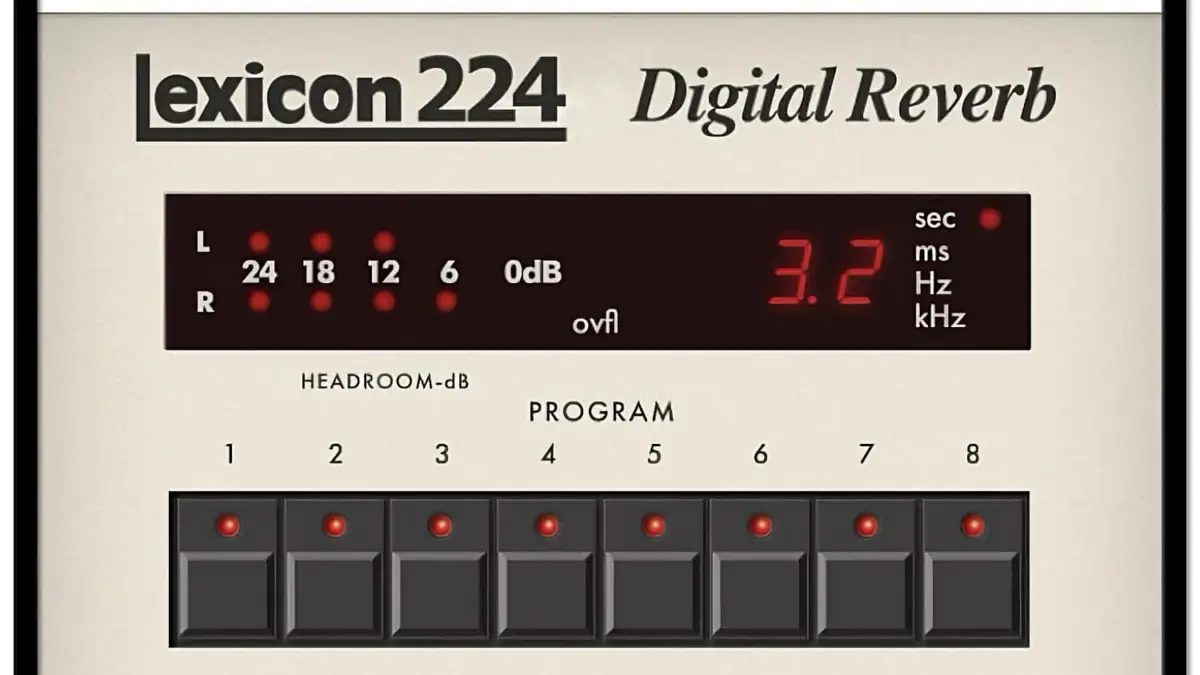
The landscape of digital audio processing has witnessed a significant milestone with the release of Cineol-X 224, an open-source development project that meticulously recreates the sonic signature of the legendary Lexicon 224 digital reverb. This project offers a multifaceted approach to vintage emulation, providing a desktop plugin for macOS and Windows alongside a specialized version for the Daisy embedded DSP platform. By adopting a "bring your own ROM" (BYOROM) model, the project navigates the complex legalities of intellectual property while offering users a high-fidelity gateway into the 1970s digital era.
The Lexicon 224, originally released in 1978, was a seminal moment in music production history. It was the first commercially viable digital reverb unit, designed by physicist and musician David Griesinger. Its distinctive, lush, and often "grainy" texture defined the sound of the late 1970s and 1980s, appearing on iconic soundtracks like Vangelis’s Blade Runner and countless pop and rock records. Cineol-X 224 seeks to preserve this legacy through modern code, allowing producers to access these historic algorithms within contemporary digital audio workstations (DAWs).
Technical Architecture and the BYOROM Requirement
At the heart of the Cineol-X 224 project is its commitment to authenticity through hardware emulation. Unlike many modern plugins that attempt to approximate the sound of vintage gear through algorithmic reimagining, Cineol-X 224 is designed to run the original Lexicon firmware. This necessitates the use of binary ROM files extracted from physical Lexicon 224 hardware.
The developer, identified in the open-source community as temaniak, has structured the software to avoid copyright infringement by excluding the proprietary Lexicon code from the repository. Users are required to source their own compatible ROM files, which are then loaded into the plugin or the Daisy hardware. This approach mirrors the methodology used by vintage computer and console emulators, ensuring that the software remains a legal tool for those who own or have access to the original digital assets.
The latest version, v1.0Alpha, introduces critical refinements to the emulation engine. Notably, it adds controls for lowering the DSP clock rate and adjusting converter-filter behavior. These parameters are essential for capturing the "imperfections" of early digital-to-analog conversion. The original Lexicon 224 operated at a 20kHz sampling rate with 12-bit converters, which contributed to its warm, slightly dark, and harmonically rich output. By allowing users to manipulate the "Dirt" parameter and clock rates, Cineol-X 224 provides a granular level of control over the digital grit that purists associate with the original hardware.
A History of Innovation: The Lexicon 224 Legacy
To understand the significance of Cineol-X 224, one must consider the historical context of the Lexicon 224. In the mid-1970s, reverb was primarily achieved through acoustic chambers, spring tanks, or massive steel plates. These methods were physically cumbersome and lacked flexibility. The Lexicon 224 changed the industry by offering a digital solution that fit into a rack-mounted chassis, controlled by a remote "LARC" (Lexicon Alphanumeric Remote Console).
The 224 was not just a convenience; it was a creative instrument. Its algorithms, which included Small Concert Hall, Large Concert Hall, Room, and Plate, were revolutionary. They offered a sense of space that felt "larger than life," characterized by long, blooming tails and a unique modulation that prevented the static metallic "ringing" common in early digital designs. The Cineol-X 224 project includes six of these foundational programs, ensuring that the core sonic palette of the 1978 unit is available to modern users.
Functional Features and User Interface
Cineol-X 224 provides a comprehensive suite of controls that mirror the original hardware while adding modern conveniences. The interface includes:
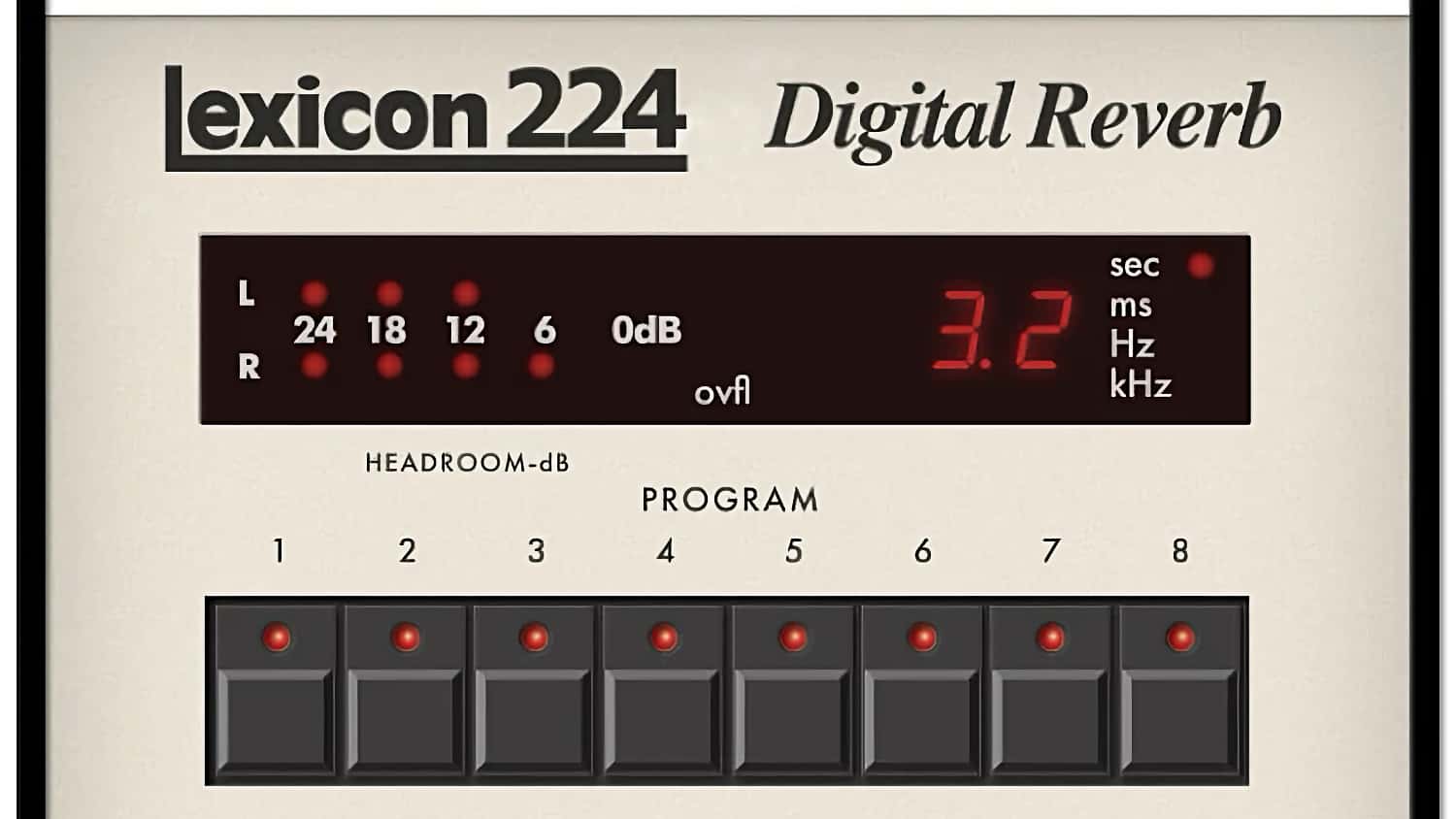
- Frequency-Dependent Decay: Users can independently adjust the decay times for bass, mid, and treble frequencies. This is crucial for shaping the "weight" of the reverb and ensuring it does not muddy a mix.
- Pre-Delay and Diffusion: These controls manage the initial reflections and the density of the reverb tail, allowing for everything from sharp, slap-back echoes to smooth, ethereal washes.
- Modulation Enhancement: A key component of the Lexicon sound was its subtle internal modulation, which added movement to the reverb. Cineol-X 224 allows users to dial in this characteristic "spin" and "wander."
- The Dirt Parameter: A standout feature of the v1.0Alpha release, the Dirt parameter allows for continuous adjustment of the converter-filter character. This simulates the aliasing and filtering artifacts found in early digital gear.
- Spillover Support: This feature ensures that reverb tails are not abruptly cut off when switching between different algorithms or settings, a vital tool for live performance and dynamic studio work.
The software is available as an AU and VST3 plugin for macOS (including standalone support) and as a VST3 and standalone application for Windows. Perhaps most intriguing to the DIY community is the version designed for the Daisy platform. Daisy, developed by Electrosmith, is an embedded DSP platform that allows developers to create custom hardware synthesizers and effects processors using high-fidelity audio hardware. By porting Cineol-X 224 to Daisy, the project enables users to build their own dedicated Lexicon-style hardware reverb units.
Market Context and Industry Implications
The release of an open-source Lexicon 224 emulation enters a market already populated by high-end commercial offerings. Most notably, Universal Audio (UAD) offers an officially licensed Lexicon 224 plugin, currently priced at $39 USD. The UAD version is widely regarded for its accuracy and ease of use, having been developed in direct collaboration with Lexicon.
However, the Cineol-X 224 project serves a different segment of the audio community. It appeals to developers, DIY hardware enthusiasts, and those who prefer open-source ecosystems. The "bring your own ROM" requirement creates a barrier to entry that the UAD plugin does not have, but it offers a level of transparency and platform flexibility that commercial products rarely provide.
Industry analysts suggest that projects like Cineol-X 224 represent a growing trend in "digital archaeology." As vintage digital hardware becomes increasingly difficult and expensive to maintain—with original Lexicon 224 units often fetching thousands of dollars on the second-hand market—software preservation becomes essential. By creating a framework that can run original firmware on modern processors, developers are ensuring that these historic sounds remain accessible to future generations of musicians.
The Role of Embedded DSP in Modern Production
The inclusion of the Daisy platform in the Cineol-X 224 roadmap highlights the blurring lines between software and hardware. In recent years, there has been a resurgence of interest in hardware effects units that offer the tactile experience of a physical device with the flexibility of digital code.
The Daisy platform uses an ARM Cortex-M7 processor, which is more than capable of handling the computational requirements of 1970s-era reverb algorithms. For the musician, this means the ability to run Cineol-X 224 in a dedicated pedal or rack unit without the need for a computer. This portability is highly valued in live electronic music and modular synthesizer setups. The open-source nature of the project also means that the community can contribute to its optimization, potentially leading to even more efficient implementations for low-power embedded systems.
Future Outlook and Community Response
As an "Alpha" release, Cineol-X 224 is still in active development. The GitHub repository serves as a hub for bug reports, feature requests, and community contributions. Initial reactions from the audio engineering community have been positive, with many praising the project’s technical ambition and its commitment to the BYOROM philosophy.
The implications of this project extend beyond a single reverb unit. It sets a precedent for how other classic digital hardware—such as early Yamaha, Eventide, or AMS units—might be preserved. If the community can develop stable, open-source wrappers for vintage firmware, the "golden age" of digital audio could see a massive revival in the software domain.
In conclusion, Cineol-X 224 is more than just a plugin; it is a bridge between the pioneering digital efforts of the late 20th century and the high-performance computing of the 21st. While it requires a certain level of technical proficiency to source ROMs and configure the software, the reward is an authentic, customizable, and historically significant sound that continues to be a staple of professional music production. As the project moves toward a stable 1.0 release, it stands as a testament to the power of open-source collaboration in the service of sonic preservation.
