

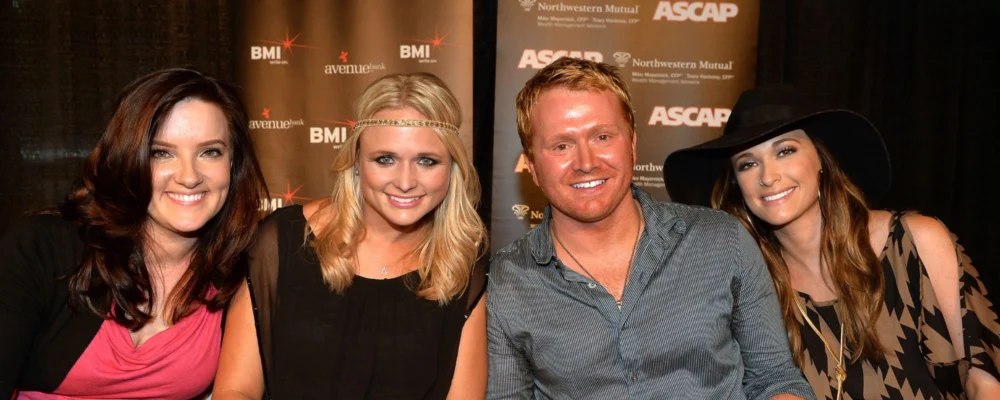
The landscape of contemporary country music has long been shaped by the formidable presence of two women from the same small corner of the United States: Miranda Lambert and Kacey Musgraves. For over a decade, the narrative surrounding these two powerhouses has been punctuated by rumors of a simmering professional rivalry and personal coldness. However, a series of high-profile social media interactions over the first weekend of March 2025 has suggested a definitive thaw in their relationship, leading industry analysts and fans alike to speculate on a forthcoming musical collaboration that could bridge the gap between their respective sub-genres of country and Americana.
The recent exchange began on Instagram, where Musgraves, 37, shared a vintage clip from the 2013 Country Music Association (CMA) Awards. In the footage, Lambert, now 42, is seen accepting one of her record-setting Female Vocalist of the Year awards. During her acceptance speech, Lambert took a moment to acknowledge Musgraves, who had earlier that evening won New Artist of the Year. Lambert remarked, "That was awesome. East Texas girls gotta stick together." The camera then cut to Musgraves, whose facial expression at the time was interpreted by viewers as unimpressed or chilly. In her recent post, Musgraves added a caption that appeared to directly address the long-standing rumors of friction, writing, "You knew I’d said some things about you," and tagging Lambert.
Lambert responded shortly thereafter by reposting the story to her own account, adding the candid admission, "Well, I’ve done my fair share of s— talkin’ too." This public acknowledgment of past grievances, delivered with a tone of mutual maturity, has been viewed by industry insiders as a strategic "clearing of the air." It mirrors recent trends in the broader music industry—most notably the high-profile reconciliation between pop stars Charli XCX and Lorde—where former rivals use their history to fuel collaborative projects that capitalize on public interest in their personal dynamics.
The Decade-Long Narrative of a "Broken Heart"
To understand the weight of this recent interaction, one must look back to the origins of the rumored rift, which began in 2013. At the center of the conflict was the hit single "Mama’s Broken Heart." The song, a darkly comedic look at a woman struggling to maintain social decorum during a breakup, was co-written by Musgraves, Brandy Clark, and Shane McAnally. At the time, Musgraves was a rising artist preparing for the release of her debut album, Same Trailer Different Park.
Reports at the time indicated that Musgraves was reluctant to give the song to an established star like Lambert, preferring to record it herself. Ultimately, the song was recorded by Lambert and became a massive commercial success, reaching number one on the Billboard Country Airplay chart and earning a Grammy nomination. While the song solidified Lambert’s status as the reigning queen of "fiery" country music, it also became a point of contention among fans who felt Musgraves had been pressured to surrender her best material to a more senior artist in the Nashville hierarchy.
The tension reached a fever pitch during the 2013 CMA Awards. When Lambert won Female Vocalist of the Year—an award for which Musgraves was also nominated—the camera panned to Musgraves, capturing what the internet quickly labeled a "death stare." Musgraves later defended her reaction, famously stating in an interview with E! News, "My face just looks that way." Despite these denials, the narrative of the "East Texas Feud" became a persistent trope in country music journalism, fueled by the fact that the two artists, despite their geographic and professional proximity, rarely appeared together in public or collaborated on projects.
Biographical Parallels and Geographic Roots
The perceived rivalry was heightened by the striking similarities in the artists’ backgrounds. Both women hail from Wood County, Texas—Lambert from Lindale and Musgraves from Golden. The two towns are located roughly 20 miles apart. Both artists built their early reputations on a foundation of "straight-shooting" lyrics and a refusal to adhere to the traditional "rhinestone" image of Nashville female vocalists.
Lambert first gained national attention as a finalist on the reality competition Nashville Star in 2003, subsequently releasing a string of platinum albums including Kerosene, Crazy Ex-Girlfriend, and Revolution. Her brand was built on outlaw country sensibilities, blending rock influences with traditional storytelling. Musgraves arrived in Nashville nearly a decade later, offering a more subversive, indie-leaning take on country music that challenged social norms and the genre’s conservative leanings.
Despite their different sonic paths—Lambert remaining closer to the country mainstream and Musgraves veering toward psychedelic-pop and folk influences in later years—their shared East Texas identity remained a constant point of comparison. The recent social media exchange marks the first time either artist has explicitly acknowledged that the "sticking together" sentiment Lambert expressed in 2013 may have been complicated by behind-the-scenes friction.
Supporting Data: The Commercial Power of a Potential Duo
A collaboration between Lambert and Musgraves would represent a significant commercial event for the country music industry. As of 2024, both artists maintain high-performing catalogs and significant cultural capital.
Miranda Lambert by the Numbers:
- ACM Awards: 39 wins (the most decorated artist in Academy of Country Music history).
- Grammy Awards: 3 wins from 27 nominations.
- Billboard Success: Seven number-one albums on the Top Country Albums chart.
- Recent Activity: Recently signed with Republic Records in partnership with Big Loud, releasing the single "Wranglers" in 2024.
Kacey Musgraves by the Numbers:
- Grammy Awards: 7 wins, including Album of the Year for Golden Hour (2018).
- CMA Awards: 7 wins.
- Streaming Impact: Deeper Well (2024) debuted at number two on the Billboard 200, showcasing her sustained crossover appeal.
- Recent Activity: Currently teasing new music via a viral marketing campaign involving Nashville billboards and a dedicated phone line for song snippets.
The synergy of these two fan bases would likely result in high streaming numbers and significant terrestrial radio play. Furthermore, a collaboration would align with the current industry trend of "prestige collaborations" that aim to secure Grammy nominations in the American Roots and Country categories.
Industry Implications and the "Remix" Strategy
The timing of this public reconciliation is particularly noteworthy. Kacey Musgraves is currently in a promotional cycle for new material following the success of her 2024 album Deeper Well. Billboards featuring her image and a phone number offering "a real good time" have appeared throughout Nashville, directing fans to audio snippets of upcoming music. Speculation is mounting that one of these tracks could be a "remix" or a new version of a song featuring Lambert.
Music industry analysts suggest that this approach follows the "Charli XCX/Lorde" model, where public tension is resolved through a creative partnership that acknowledges the past rather than ignoring it. This "meta-narrative" approach to music promotion is highly effective in the age of social media, as it encourages fan engagement through the dissection of lyrics and past interviews.
By admitting to "s— talkin’," both Lambert and Musgraves have humanized themselves to their audience, moving away from the polished, PR-managed image common in Nashville. This authenticity resonates with their core demographics—largely millennial and Gen X listeners who have followed their careers since the early 2010s.
Broader Impact on Women in Country Music
Beyond the immediate excitement of a potential song, the reconciliation of Lambert and Musgraves has broader implications for the status of women in country music. For years, the industry has faced criticism for "smurfette syndrome"—the tendency to only allow space for one or two dominant female stars at a time, which often fosters an environment of perceived competition.
By publicly ending their rumored feud, Lambert and Musgraves are signaling a shift toward a more collaborative and supportive environment, similar to the formation of The Highwomen (a supergroup consisting of Brandi Carlile, Maren Morris, Amanda Shires, and Natalie Hemby). When high-profile artists choose to "stick together," as Lambert suggested in 2013, it challenges the narrative of the "catfight" and emphasizes the collective power of female voices in a genre that still struggles with gender parity on radio airwaves.
Conclusion: A New Chapter for East Texas Trailblazers
While neither artist’s management team has issued an official statement regarding a joint single or tour, the deliberate nature of their Instagram interaction suggests that a formal announcement is imminent. The transition from rumored enemies to self-aware collaborators marks a significant evolution in the careers of both Miranda Lambert and Kacey Musgraves.
As Musgraves continues to roll out her latest project and Lambert settles into her new label home at Republic Records, the potential for an "East Texas Remix" remains one of the most anticipated developments in the 2025 music calendar. For a genre that prides itself on storytelling and "three chords and the truth," the honest resolution of a decade-long tension may provide the most compelling story of the year. The reconciliation serves as a reminder that in the competitive world of Nashville, sometimes the most powerful move is to embrace the roots that connected you in the first place.
